Expanding Diagnostic Access to Improve Chronic Disease Care in Kenya
According to the World Health Organization Africa, Kenya marked World Patient Safety Day 2026 with efforts to expand diagnostic screening equipment across county health facilities and with…
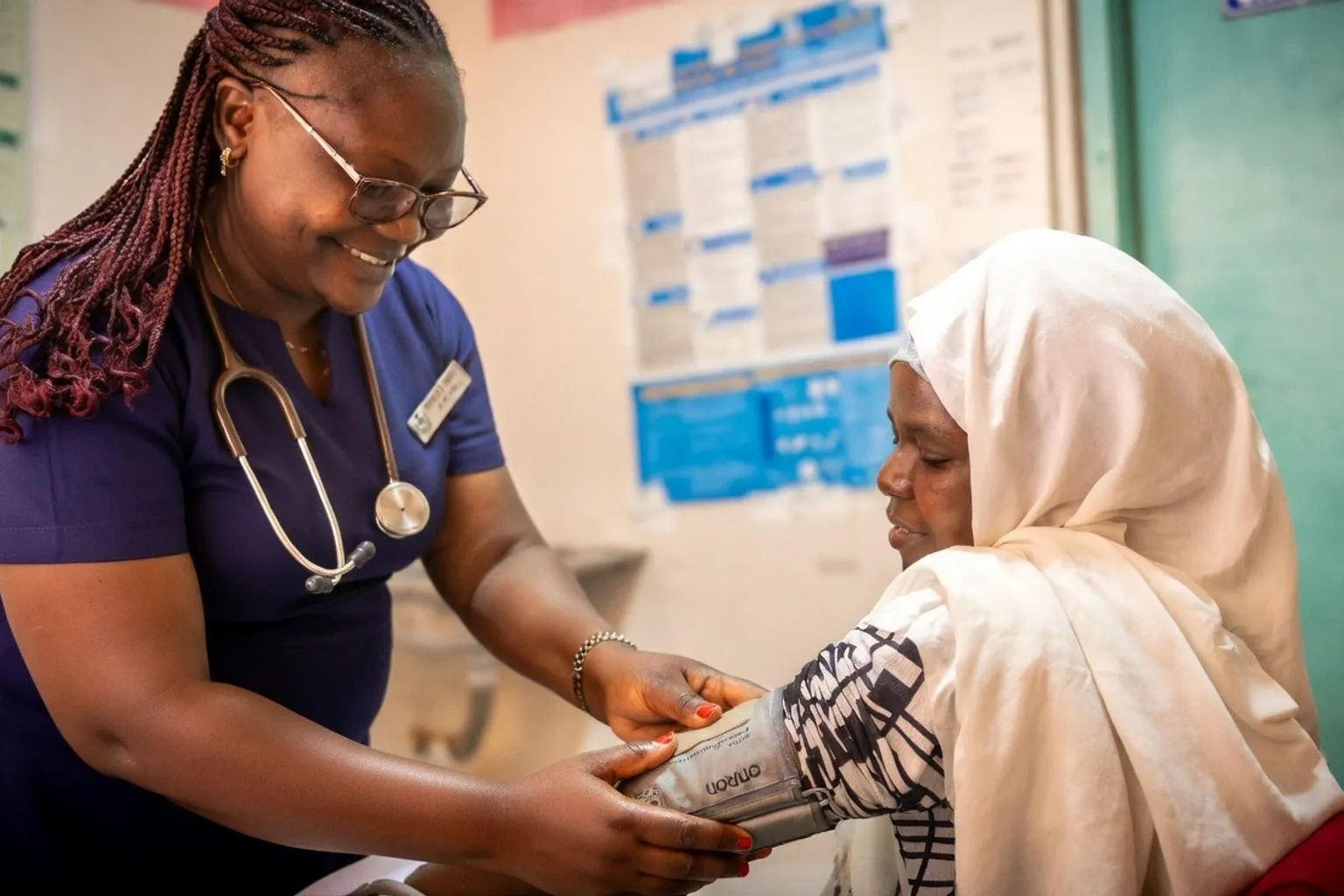
According to the World Health Organization Africa, Kenya marked World Patient Safety Day 2026 with efforts to expand diagnostic screening equipment across county health facilities and with evidence-based cervical cancer screening partnerships involving Aga Khan University. For nurses and community health teams, this is more than an equipment story: safer care begins when a patient’s condition is identified early, documented clearly, and followed across the places where care is delivered. It also places a renewed responsibility on all of us to protect human dignity in the ordinary moments of assessment, referral, and follow-up.
Safer screening must reach beyond the hospital
Patients living with long-term or complex conditions often meet the health system in many settings: a county facility, a religious dispensary, a community outreach visit, or a specialist service. Scaling diagnostic screening equipment across county facilities can strengthen that first point of contact, particularly when patients need timely evaluation rather than another delay in the care pathway.
The reported cervical cancer screening partnerships with Aga Khan University add a second layer to the patient-safety effort. Evidence-based screening depends not only on having a test available, but also on having staff who understand the process and systems that help patients move to the next appropriate stage of care. The facts available here do not specify the equipment being deployed, the number of facilities involved, or the precise partnership arrangements. What they do show is a national patient-safety focus that connects screening capacity with practical care delivery.
For those of us working at the bedside or in the community, this is where the ministry of presence becomes concrete. We help patients understand why a screening step matters, notice when information is missing, and walk alongside people who may otherwise be lost between services.
Building a stronger safety net for chronic illness
Kenya’s Ministry of Health has trained more than 107,000 Community Health Promoters and 800 healthcare workers to conduct early infant screening for sickle cell disease. The ministry is also establishing a national patient registry to support management of the disease across high-burden regions.
That combination—community-level screening, trained workers, and a registry—points to a more connected approach to patient safety. Early identification can only serve patients when the information remains useful beyond the initial encounter. A registry may help create continuity, but the available evidence does not establish how it will operate, how patients will access it, or what services will follow registration. Those details will matter to families and clinicians alike.
Our role is not simply to complete a screening task. Whole-person care asks us to see the child, the family, and the practical realities surrounding treatment. Clear explanations, careful records, and reliable handoffs are forms of clinical protection. They are also expressions of human dignity.
The same principle is visible in Kenya’s faith-based health sector. The Care for Aging Sisters Association Kenya, initiated by the Association of Sisterhoods of Kenya, has expanded to 54 congregations and is pursuing training partnerships, including with the Kenya Medical Training College, to advance geriatric care management across religious dispensaries and health facilities.
For Catholic nurses and other health workers serving in these settings, the development is a reminder that ministry is sustained by preparation. Caring for aging religious sisters requires more than goodwill; it calls for appropriate knowledge, coordinated support, and systems that allow caregivers to respond safely to changing needs.
Accountability is part of patient safety
The Kenya Medical Practitioners and Dentists Council has issued a regulatory circular prohibiting health facilities from scheduling or performing major invasive procedures unless they are managed directly by Council-registered and appropriately licensed practitioners.
This is a direct patient-safety boundary. It places professional authorization and clinical accountability at the center of major invasive care. The available information does not describe the circular’s enforcement process or identify particular facilities, so those details should not be assumed. But the message for patients and care teams is clear: before a major procedure, the responsible practitioner’s registration and licensing status are essential conditions to verify.
That practical check belongs within compassionate care, not outside it. Patients should not have to navigate professional credentials alone, and nurses are often the people best positioned to recognize uncertainty, ask who is responsible, and ensure concerns reach the appropriate channel.
Kenya’s current patient-safety initiatives bring together screening, workforce preparation, care for aging religious communities, disease registries, and professional oversight. None of these measures replaces the quiet work done at the point of care. They support it. Each careful assessment, accurate handoff, and respectful question helps make the health system safer for the person in front of us—and strengthens our shared calling to walk alongside patients with competence and mercy.