WHO Launches Primary Health Care Training to Empower Frontline Clinicians
The World Health Organization has launched a free online course on primary health care, designed to clarify how that approach works and strengthen leadership among frontline clinicians.
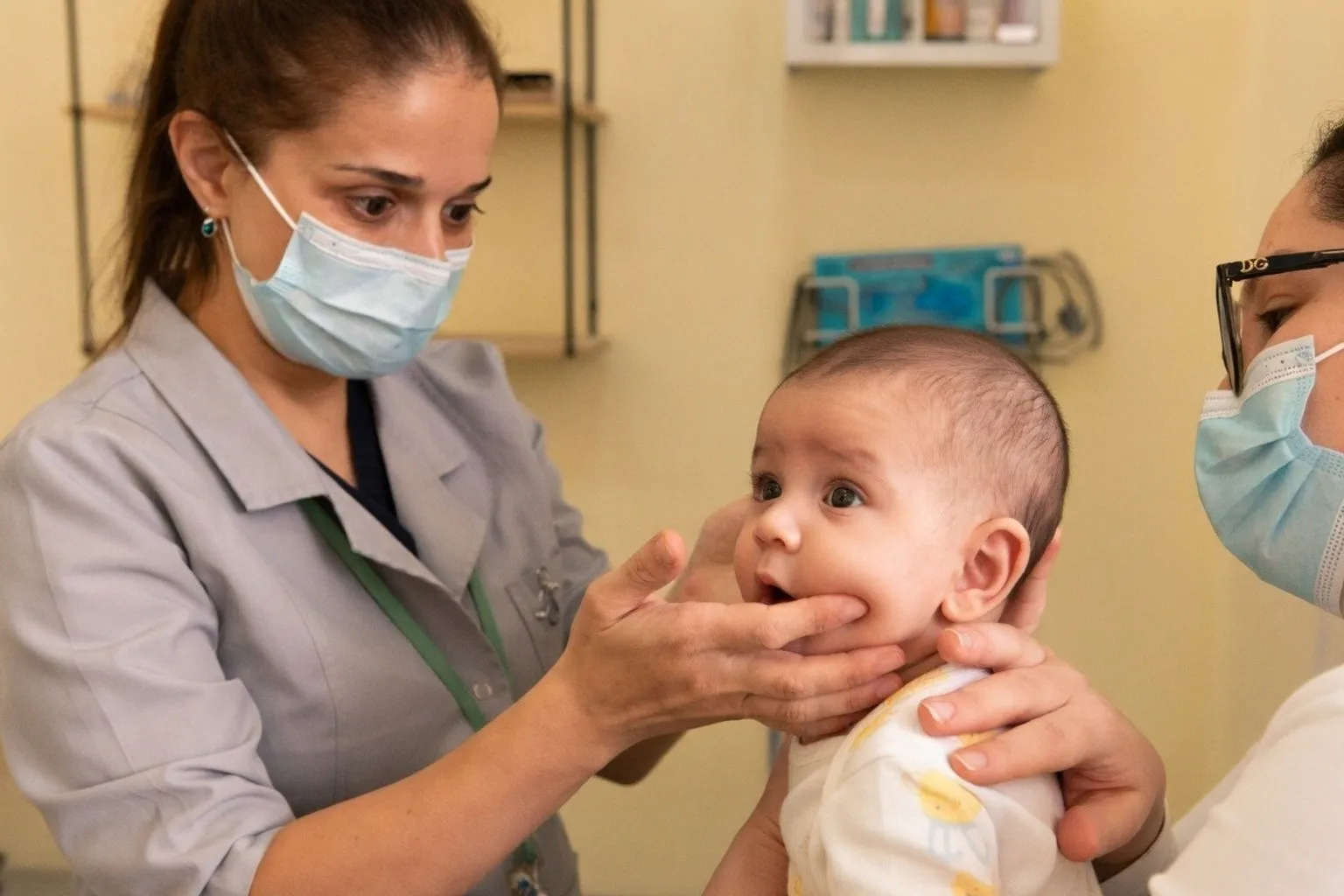
When a clinic is stretched and community needs keep arriving at the door, it can be hard to see how broad health-system plans translate into care at the bedside. The World Health Organization has launched a free online course on primary health care, designed to clarify how that approach works and strengthen leadership among frontline clinicians. For nurses serving communities in Kenya and beyond, the course puts a shared framework within reach—but learning alone cannot supply the steady investment local services need.
A short course built around practice
The WHO Academy course takes about 1.5 hours and is self-paced, with five modules covering why primary health care matters, its core components and the operational and strategic levers for strengthening it. It also explores how to navigate health-system change through political-economy analysis and compassionate leadership.
Videos, country examples and linked resources are intended to help learners connect the material to their own settings. WHO says the course was adapted from a longer leadership programme launched in 2024, following participant feedback and demand for a more concise option. It is currently available in English, with other language versions being explored.
That makes the offer practical for busy staff: a short learning resource, rather than a promise that one course can resolve the pressures facing a clinic. WHO also says learners who complete it can receive an Academy Award of Completion.
The Kenyan context is about resources, too
The course arrives alongside a clear message from Kenya’s health sector: community-based primary care needs dependable support. At an Amref Health Africa roundtable during the UN General Assembly’s 81st session, Public Health Principal Secretary Mary Muthoni called for predictable investment in climate-resilient primary-care infrastructure and community surveillance systems.
The priorities reported by KBC Digital also included climate-informed surveillance and early-warning systems, stronger community health systems and greater access to climate finance. These are not details a training module can deliver. They point to the conditions that shape whether health workers can put primary-care principles into practice in the communities they serve.
For nurses, primary care is not only a system design. It is the daily work of listening, noticing needs early and walking alongside patients beyond a single encounter. A shared understanding can help teams coordinate that work; reliable infrastructure and community support determine what is possible on the ground.
Learning is a starting point
WHO frames primary health care as a shared responsibility that reaches clinics, classrooms, communities and workplaces. That emphasis fits the ministry of presence familiar to nurses: care depends on relationships and on systems that make it possible to respond with dignity.
The course offers a concise way for clinicians and other learners to build a common vocabulary. The harder question is how that knowledge will be matched with sustained investment and local capacity. As we take up new learning, our calling remains practical: bring whole-person care to the people in front of us, while continuing to advocate for the conditions that let communities receive it.