Cervical cancer screening: four effective methods for rural clinics
Cervical cancer remains the leading cause of cancer-related mortality among women in Kenya, with at least 3,000 to 3,600 deaths reported annually. The burden is not explained by a lack of effective screening technology.
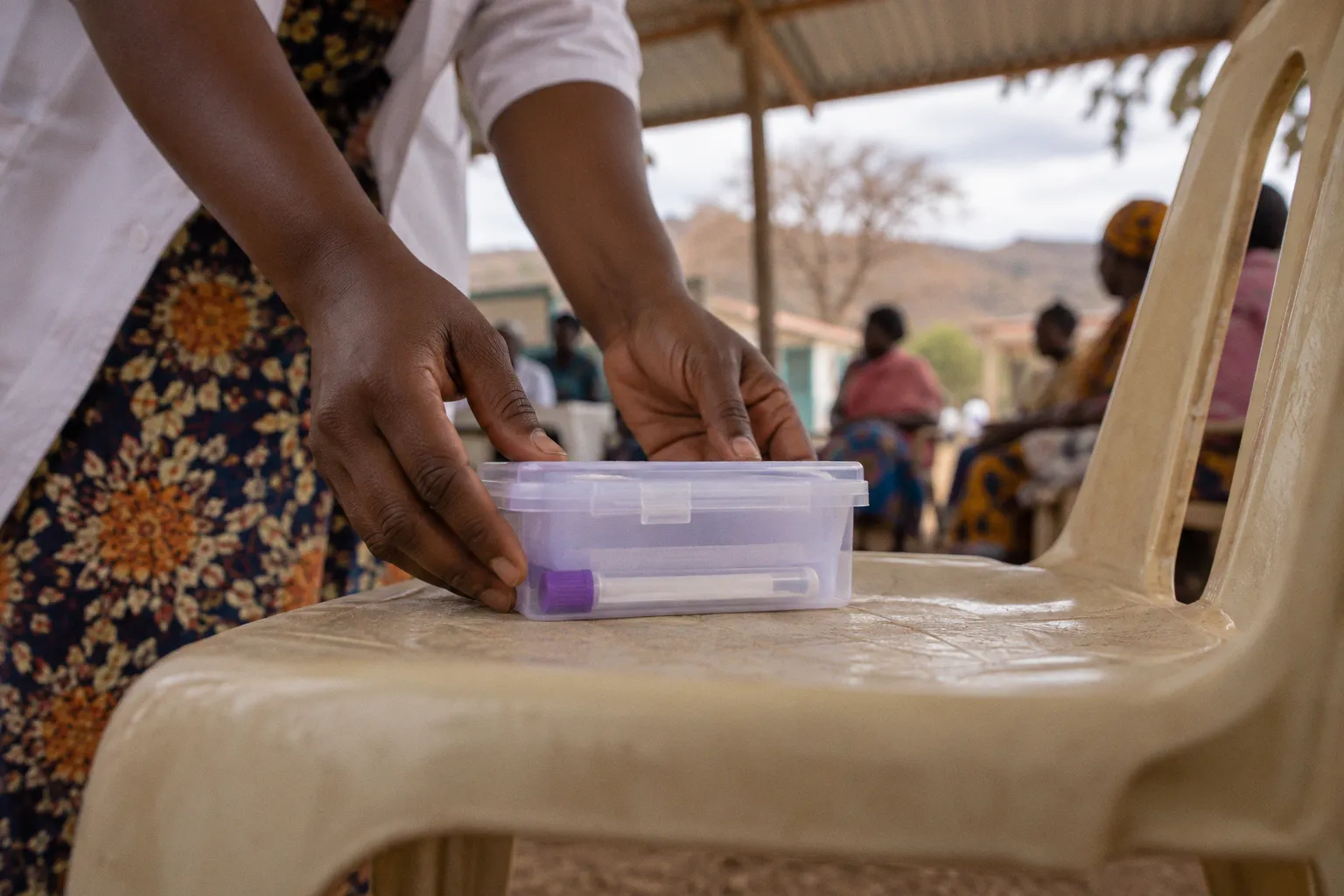
It is explained by the distance between that technology and the women who need it.
In rural counties, screening coverage can remain below 10% despite moderate awareness. In Bomet and Kericho, 82.2% of surveyed women had heard of cervical cancer, but only 6.3% had been screened. That gap is a systems failure, not an information deficit alone. Screening must be accurate, accessible, linked to treatment, and compatible with the diagnostic capacity of the facility.
The current evidence supports four complementary cervical cancer screening methods for rural Kenya: HPV DNA testing, self-collected HPV samples, visual inspection with acetic acid or Lugol’s iodine, and cytology. They do not have equal diagnostic performance or operational requirements. The correct model is not to select one method and discard the others. It is to assign each method the task it performs best.
HPV DNA testing is now the primary screening standard
Human papillomavirus is the causal infection in nearly all cervical cancers. HPV DNA testing detects high-risk viral types before visible cervical abnormalities become apparent. This gives it a major clinical advantage over methods that depend on an already visible lesion or on the interpretation of cellular morphology.
Kenya’s updated national screening guidance, aligned with World Health Organization recommendations, emphasizes HPV DNA testing as the primary screening method rather than relying solely on the Pap smear. The reason is straightforward: HPV testing generally provides higher sensitivity for clinically significant precancerous disease.
That sensitivity changes the screening pathway. A woman does not need to wait until a lesion is visible or cytological abnormalities are sufficiently developed to trigger further assessment. A positive HPV result identifies elevated risk and allows the service to move to triage, examination, or treatment according to the applicable protocol.
The method has four operational strengths:
- Higher sensitivity. HPV DNA testing is better suited to detecting women at risk before advanced disease develops.
- Compatibility with self-sampling. The sample can be collected by the patient under an established protocol, reducing the need for a pelvic examination during the initial contact.
- Potential for decentralization. Testing can be performed through existing molecular platforms when cartridges, specimen transport, and quality systems are available.
- Clearer program monitoring. Screening registers can track samples collected, results returned, positive cases triaged, and women completing treatment.
However, HPV testing is not a complete screening program by itself. A positive result is not equivalent to invasive cancer. It indicates the presence of high-risk HPV and the need for a defined next step. Without triage and treatment linkage, a molecular result becomes an isolated laboratory event.
Self-sampling improves reach, but not automatically continuity
Self-collected HPV testing addresses a central barrier in rural services: the need to travel to a facility for an examination performed by a trained provider. It can also reduce discomfort, privacy concerns, and the opportunity cost associated with a clinic visit.
A cluster-randomized screening trial in rural western Kenya found that community campaigns offering self-collected HPV DNA testing achieved 60.0% screening coverage, compared with 37.0% through government health facility-based screening. The difference is operationally significant. It demonstrates that the location and delivery model can influence uptake as much as the test itself.
The sample pathway still requires control. A rural clinic or community health program must define:
1. How eligibility is established and documented.
2. How the woman receives instructions for sample collection.
3. How the specimen is labeled and transported.
4. How an invalid or inadequate sample is managed.
5. How results are communicated confidentially.
6. What happens after a positive result.
7. How women who do not return for follow-up are traced.
The sixth step is the critical one. A screening campaign that identifies HPV-positive women without providing triage or treatment access increases diagnostic workload without improving outcomes. Every expansion of screening volume must be matched by capacity for confirmatory assessment and clinical management.
HPV testing improves sensitivity. Self-sampling improves access. Neither is effective unless a positive result leads to a documented clinical action.
GeneXpert can bring molecular testing closer to the patient
Rural Kenya already has molecular diagnostic infrastructure in facilities that use GeneXpert for tuberculosis and HIV-related testing. A pilot conducted across nine Kenyan healthcare facilities demonstrated the feasibility of repurposing existing GeneXpert machines for near point-of-care HPV testing.
This is not simply a technology transfer. It is a workflow redesign.
The value of the GeneXpert model is that it can reduce the distance between specimen collection and result availability. Conventional referral pathways may require transport to a distant laboratory, batch processing, and a separate visit for result retrieval. Each additional step creates a loss point. Patients may not return. Samples may be delayed. Results may not be communicated.
Using existing platforms can reduce some of these delays, but the diagnostic yield depends on the full system:
- functioning equipment and stable maintenance;
- compatible HPV cartridges and reliable stock management;
- trained staff who can run and document the assay;
- specimen identification that prevents misclassification;
- internal quality-control procedures;
- power and environmental conditions suitable for the platform;
- a referral or treatment pathway for positive cases.
The pilot used HPV testing to identify positive cases and then applied VIA or VILI for triage. This combined model is important because it reflects actual rural service constraints. Molecular testing identifies women at increased risk. Visual inspection helps clinicians determine which women need immediate management when more advanced diagnostic infrastructure is unavailable.
The 23% HPV positivity rate reported in the pilot also illustrates the workload implications. A rural clinic introducing HPV testing should not plan only for the number of tests it can process. It must estimate the number of positive results requiring examination, counselling, referral, repeat testing, or treatment. The laboratory denominator and the clinical denominator are different.
The diagnostic pathway must be designed before deployment
Introducing HPV testing without a written protocol produces inconsistent care. The local pathway should specify:
- the target screening population;
- the sample type and collection procedure;
- the test platform and result categories;
- the management of HPV-positive women;
- the use of VIA or VILI for triage;
- referral criteria for suspected invasive disease;
- documentation requirements;
- turnaround-time targets;
- follow-up responsibilities.
Protocol adherence is particularly important in a network that includes public, private, and faith-based facilities. A woman may collect a sample in a community setting, receive testing at a Catholic health facility, and require referral to a county hospital. If the facilities use different registers, terminology, or result communication practices, continuity becomes difficult to measure.
A network-wide pathway does not require every facility to own the same equipment. It requires every facility to recognize the same clinical states and act on them consistently.
VIA and VILI remain essential triage methods
Visual inspection with acetic acid and visual inspection with Lugol’s iodine are not obsolete because HPV DNA testing has become the preferred primary method. They remain necessary in rural clinics for two reasons: they are comparatively low-cost, and they can support immediate decision-making where laboratory capacity is limited.
VIA: visual inspection with acetic acid
During VIA, dilute acetic acid is applied to the cervix and the clinician examines the epithelial response. Suspicious areas may develop an acetowhite appearance. The method is direct, rapid, and suitable for facilities that cannot provide same-day molecular testing or cytology.
Its performance depends heavily on training and supervision. The method is not a machine-generated result. It requires the provider to identify the transformation zone, distinguish clinically meaningful changes from benign findings, and document whether the examination was adequate.
Training in visual inspection must therefore cover more than the application of acetic acid. Providers need repeated exposure to representative findings, clear definitions for a positive examination, and competency assessment. They must also recognize when the cervix cannot be adequately visualized or when findings are suspicious for invasive disease and should not be managed through a routine screen-and-treat pathway.
VILI: visual inspection with Lugol’s iodine
VILI uses Lugol’s iodine to highlight areas with different glycogen content. The contrast can assist the identification of abnormal epithelium and may be used as an alternative or complement to VIA, depending on the local protocol and provider competency.
As with VIA, VILI is influenced by examination quality, lighting, visualization, training, and the clinical experience of the provider. It is most useful when integrated into a defined triage algorithm rather than applied as an isolated visual test.
The practical comparison is not simply VIA versus VILI. The relevant question is how either method functions within a larger screening system.
| Parameter | HPV DNA testing | VIA/VILI |
|---|---|---|
| Primary function | Detects high-risk HPV infection | Identifies visible cervical changes |
| Main strength | Higher sensitivity for precancer risk | Immediate, low-cost clinical assessment |
| Infrastructure | Requires molecular platform, cartridges, and quality systems | Requires trained provider, examination space, lighting, and supplies |
| Use in rural care | Primary screening where testing is available | Triage, screen-and-treat, or primary screening where laboratory access is absent |
| Result timing | Depends on platform and workflow | Usually available during the examination |
| Main limitation | Positive results require clinical triage and follow-up | Operator-dependent and less sensitive than HPV testing |
| Best program role | Risk detection and centralized or near point-of-care screening | Immediate assessment and management support |
The evidence does not support the claim that HPV testing has completely replaced visual inspection in rural Kenyan clinics. The two methods solve different problems. HPV testing improves detection. VIA and VILI provide a practical bridge between a positive screen and a management decision.
In resource-limited clinics, VIA and VILI are not competing technologies. They are triage instruments that keep HPV-based screening clinically actionable.
Cytology still has a role, but it cannot carry the entire program
The Pap smear remains a recognized method of cervical screening. It examines exfoliated cervical cells for abnormalities and can provide clinically useful information when specimen collection, slide preparation, transport, staining, interpretation, and reporting are reliable.
Its weakness in remote settings is not that cytology has no diagnostic value. The weakness is the number of quality-sensitive steps between the patient and the final report. A conventional cytology pathway may require:
- trained sample collectors;
- correct sampling of the transformation zone;
- proper fixation;
- transport without specimen degradation;
- laboratory processing;
- qualified interpretation;
- reporting and result retrieval;
- repeat sampling when the specimen is unsatisfactory.
Each stage affects the final diagnostic yield. If a woman must return several times before a result is available, the program becomes vulnerable to loss to follow-up. A technically strong test can produce weak population outcomes when the delivery chain is fragile.
Cytology may remain appropriate in facilities with established laboratory services and trained personnel. It can also support diagnostic evaluation after an abnormal screening result, according to national protocols. But for population-level screening in rural areas, Kenya’s current direction toward HPV DNA testing reflects the need for greater sensitivity and more feasible decentralized delivery.
The correct question is not whether the Pap smear should disappear. It is whether a rural program can maintain the entire cytology quality chain at the required standard. If it cannot, HPV testing with visual triage may produce better program performance.
Community delivery addresses the six-percent problem
The contrast between awareness and screening uptake is one of the clearest signals in Kenya’s cervical cancer response. In rural Bomet and Kericho, most surveyed women had heard of cervical cancer, but only 6.3% had been screened. Awareness alone did not overcome distance, cost, clinic hours, privacy concerns, insufficient health information, or uncertainty about the procedure.
Community-based cervical cancer awareness must therefore be linked to a service that can be completed. General messages about cancer prevention are inadequate if the nearest screening opportunity remains inaccessible.
A functional community model has several components:
- community health workers who can explain eligibility and the purpose of screening;
- scheduled collection points that reduce travel time;
- self-sampling where clinically appropriate;
- clear referral arrangements for positive results;
- confidential result communication;
- follow-up registers;
- integration with existing maternal, HIV, primary care, or chronic disease services.
The campaign should not measure success only by attendance or the number of educational sessions delivered. The relevant indicators are more specific:
1. Number of eligible women offered screening.
2. Number who complete sample collection.
3. Proportion of samples producing a valid result.
4. Number of HPV-positive women reached with results.
5. Number completing VIA/VILI triage or other required assessment.
6. Number receiving treatment or referral when indicated.
7. Number lost between each stage.
This is the difference between activity reporting and clinical program evaluation. A high number of collected samples is not equivalent to high prevention impact.
Community delivery also requires careful messaging. Women must understand that HPV infection is common, that a positive result does not by itself establish cancer, and that follow-up is clinically necessary. Communication should be factual and non-stigmatizing. The objective is informed participation and protocol adherence, not fear-based attendance.
Women living with HIV require a separate operational priority
Women living with HIV face a six-fold higher risk of developing cervical cancer than HIV-uninfected women. This risk profile requires more than a generic invitation to participate in population screening.
HIV clinics already provide recurrent contact with patients, structured records, counselling infrastructure, and clinical staff. These services can support HPV screening, result tracking, and referral. Between 2021 and 2024, self-sampling HPV DNA testing was integrated into HIV clinics in Nairobi, illustrating how screening can be attached to an existing care platform rather than built as a separate vertical service.
Integration has practical advantages:
- the patient is already connected to a health system;
- contact information and appointment history may be available;
- screening can be incorporated into routine service flow;
- positive results can be flagged for follow-up;
- the program can monitor completion rather than only initial uptake.
It also introduces risks if screening is added without capacity planning. HIV clinics may face increased examination demand after HPV-positive results. Staff require specific training in cervical screening, triage, documentation, and referral. The screening protocol must also protect confidentiality and avoid treating HPV status as a marker of moral behavior or personal blame.
A Catholic health network has a particular operational responsibility here. Its contribution should be measured through clinical reliability: access, privacy, evidence-based counselling, competent examination, accurate records, and referral completion. The ethical standard is expressed through the quality of care, not through spiritualizing a biomedical risk.
Building a rural screening network around the right division of labor
No single rural facility will perform every part of the cervical cancer pathway. A network model is more realistic.
Community teams can mobilize eligible women and support self-sampling. Peripheral clinics can collect samples, perform VIA or VILI, and identify women requiring referral. Hub facilities can operate GeneXpert platforms or coordinate specimen processing. County or regional hospitals can manage complex diagnostic cases and suspected invasive disease.
This division works only when responsibilities are explicit. The following structure is clinically coherent:
- Community level: education, eligibility assessment, consent, self-sampling support, appointment coordination.
- Primary facility: sample collection, HPV testing where available, VIA/VILI triage, documentation, immediate referral of suspicious findings.
- Diagnostic hub: molecular testing, quality assurance, result reporting, cartridge and equipment management.
- Referral facility: further evaluation, treatment, management of suspected cancer, and feedback to the referring clinic.
- Network management: indicators, supervision, stock monitoring, staff competency, and patient tracing.
The network should standardize terminology. A result should not be recorded simply as positive or negative when the next clinical action depends on the precise category. Registers should distinguish between an invalid sample, HPV-negative result, HPV-positive result, inadequate visual examination, positive visual triage, suspected invasive disease, completed referral, and treatment completed.
This level of detail may appear administrative. It is not. Poor classification produces poor follow-up data and makes it impossible to identify where patients are being lost.
The most useful performance indicators are pathway indicators
A rural program should review its performance using a small set of clinically meaningful measures:
- screening coverage among the eligible population;
- time from sample collection to result;
- proportion of women receiving their results;
- HPV positivity rate;
- proportion of positive women completing triage;
- proportion of women with a positive triage result completing treatment or referral;
- invalid or rejected specimen rate;
- loss to follow-up at each transition;
- equipment uptime and cartridge availability where molecular testing is used.
These indicators reveal different failures. A low screening rate suggests a reach problem. A high positivity rate with low triage completion indicates a capacity problem. Long result delays suggest laboratory or transport constraints. A high invalid-sample rate points to collection, labeling, or processing deficiencies.
The program should not respond to every problem by increasing community mobilization. More demand will worsen delays if the diagnostic and referral chain is already saturated.
What effective cervical cancer prevention looks like in rural Kenya
The evidence supports a layered model rather than a single-test solution.
HPV DNA testing should anchor the primary screening strategy where molecular capacity and follow-up systems exist. Self-sampling can extend reach, particularly through community campaigns and established HIV services. GeneXpert platforms can support near point-of-care testing when equipment, cartridges, staffing, and quality systems are maintained. VIA and VILI remain essential for triage and immediate screen-and-treat pathways where laboratory infrastructure is limited. Cytology retains a role in facilities capable of sustaining its quality chain, but it should not be assumed to be the most practical population-screening method in remote areas.
The central performance metric is not the sophistication of the test. It is the proportion of women who move from eligibility to screening, from screening to a communicated result, and from a positive result to completed management.
Kenya’s cervical cancer burden will not decline through awareness campaigns alone, nor through the installation of isolated diagnostic equipment. Rural prevention requires protocol adherence across the entire pathway. Catholic health networks and other community providers can make a measurable contribution by standardizing screening algorithms, integrating services, monitoring patient outcomes, and directing resources toward the points where women are lost.
The clinical direction is clear: use HPV testing for sensitivity, visual methods for practical triage, cytology where quality is sustainable, and community delivery to close the access gap. The program succeeds only when these components operate as one system.